


When someone is sick, even simple words can affect their mood. A caring message should bring comfort, not pressure, guilt, or fear. Knowing what not to say to someone sick helps you choose kinder words. Instead of comparing, judging, or giving unwanted advice, offer patience and support. A few thoughtful words can remind a sick person that they are not alone during a difficult time.
Comparing Their Illness
Comparing their illness with someone else’s experience can make them feel unseen. Every person handles sickness differently. Knowing what not to say to someone sick means avoiding statements that turn their pain into a competition. Listen to their experience and let them feel heard.

- I hope you feel stronger soon.
- Wishing you gentle days ahead.
- May each day bring relief.
- Sending you caring thoughts today.
- I’m hoping for your comfort.
- Take all the rest you need.
- May your recovery feel peaceful.
- Thinking of you with kindness.
- Wishing you brighter mornings ahead.
- I hope today feels easier.
- Sending warmth during your recovery.
- May your strength return steadily.
- Rest well and be gentle.
- I’m here whenever you need.
- Wishing you calm and comfort.
- May healing come at your pace.
- Thinking of you throughout recovery.
- I hope tomorrow brings improvement.
- Sending you peaceful recovery wishes.
- May you have plenty of rest.
- Wishing you better moments ahead.
- I hope you regain your energy.
- Sending encouragement for each day.
- May your body find renewed strength.
- I’m wishing you steady healing.
- Take things one day at a time.
- Hoping comfort finds you today.
- Wishing you patience during recovery.
- May every day feel lighter.
- Sending heartfelt wishes for healing.
Giving Unwanted Medical Advice
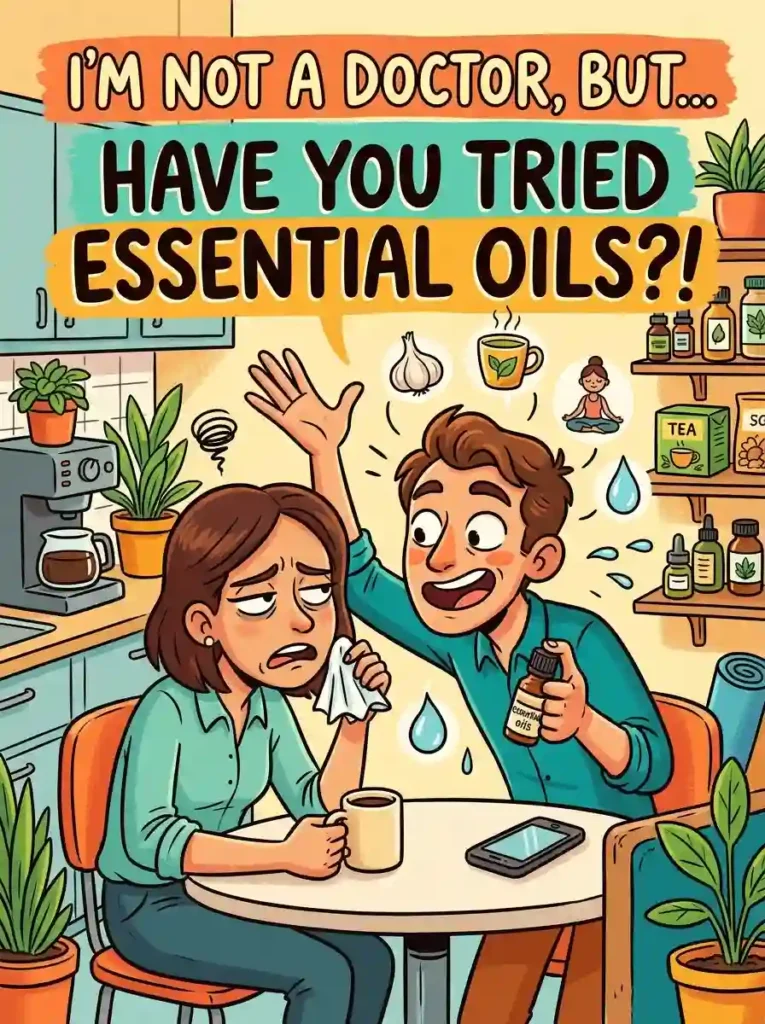
Unwanted medical advice can feel overwhelming, especially when someone already feels tired or worried. Avoid acting like you know exactly what they need. When considering what not to say to someone sick, remember that supportive listening often helps more than unsolicited treatments, remedies, or diagnoses.
- I hope you have the care you need.
- Wishing you comfort through treatment.
- May your recovery go smoothly.
- I’m hoping today feels manageable.
- Sending gentle encouragement your way.
- Take care and follow your care plan.
- I hope you feel supported.
- Wishing you strength for today.
- May rest bring you renewed energy.
- Thinking of you with warmth.
- I hope each day improves.
- Sending peaceful thoughts your way.
- May your treatment bring relief.
- Wishing you patience and strength.
- I’m here to listen anytime.
- Hoping your next day feels easier.
- May you have peaceful rest tonight.
- Sending you kindness during recovery.
- I hope you get good support.
- Wishing you steady progress.
- Take the time your body needs.
- May comfort stay close today.
- I’m cheering quietly for your healing.
- Wishing you better health ahead.
- I hope you feel cared for.
- Sending hope without any pressure.
- May your strength grow each morning.
- Wishing you calm through every step.
- I hope recovery brings brighter days.
- Sending sincere wishes for your healing.
Saying “It Could Be Worse”
Saying “It could be worse” may seem encouraging, but it can make someone feel guilty for struggling. Their pain still matters. Good support does not rank suffering. When learning what not to say to someone sick, avoid dismissing their feelings with comparisons to people facing different challenges.

- Your feelings are completely valid.
- I’m here to support you.
- You don’t have to pretend.
- I hope today brings comfort.
- Wishing you peaceful moments.
- Take things at your own pace.
- I’m thinking about you today.
- May you feel less alone.
- Sending compassion your way.
- I hope things become easier.
- You deserve kindness while recovering.
- Wishing you gentle strength today.
- I’m beside you in spirit.
- May tomorrow feel more hopeful.
- Rest without feeling guilty.
- I hope you get enough support.
- Sending you patient encouragement.
- May comfort surround you today.
- You can take things slowly.
- Wishing you calmer days ahead.
- I hope relief comes soon.
- You don’t need to minimize your pain.
- Sending understanding and care.
- May each hour feel gentler.
- I’m wishing you peaceful healing.
- Your wellbeing matters deeply.
- I hope you feel understood.
- Wishing you strength without pressure.
- May brighter moments come soon.
- Sending you heartfelt comfort today.
Blaming Them for Being Sick
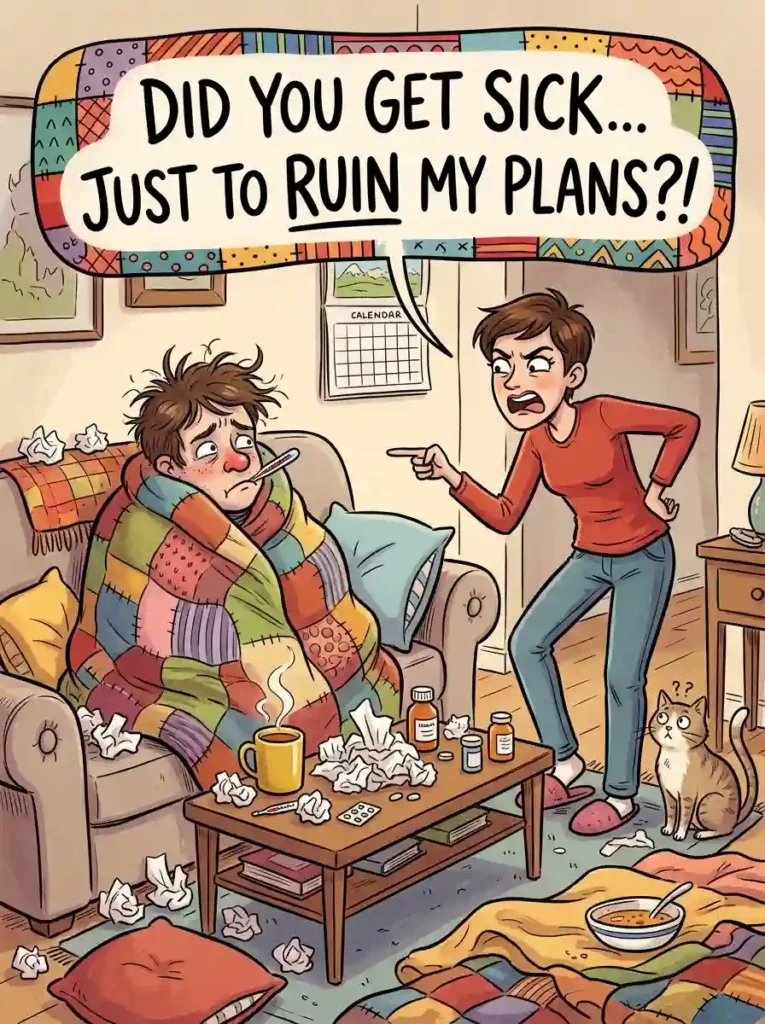
Blaming someone for their illness can create shame when they need compassion most. Avoid suggesting that their choices caused their condition unless they ask for a discussion. What not to say to someone sick often includes words that create guilt instead of offering emotional support.
- Please be gentle with yourself.
- You deserve compassion right now.
- I hope you find comfort.
- Sending you caring thoughts.
- Your health matters.
- I’m here without judgment.
- Wishing you strength and peace.
- Take good care of yourself.
- May recovery bring renewed hope.
- I hope you feel supported.
- Sending patience for difficult days.
- You don’t have to blame yourself.
- Wishing you restful moments.
- May healing come gradually.
- I’m thinking of you kindly.
- I hope tomorrow feels lighter.
- Sending support for every step.
- May you find peaceful rest.
- You deserve understanding and care.
- Wishing you courage today.
- I’m here if you need company.
- Hoping you feel stronger soon.
- Sending warmth during this challenge.
- May your recovery feel steady.
- I hope you have caring people nearby.
- Wishing you comfort without pressure.
- Take each day as it comes.
- May your heart feel calmer.
- I’m wishing you renewed energy.
- Sending sincere support your way.
Asking Too Many Personal Questions
Too many personal questions can make a sick person feel exposed or uncomfortable. Give them space to share only what they want. Understanding what not to say to someone sick also means knowing when silence, privacy, and simple companionship are more helpful than curiosity.

- Share only what feels comfortable.
- I’m here whenever you want to talk.
- No need to explain everything.
- Wishing you comfort today.
- Take all the privacy you need.
- I’m thinking of you warmly.
- You can reach out anytime.
- May you feel safe and supported.
- I hope today feels peaceful.
- Sending quiet encouragement your way.
- I’m here without expecting details.
- Wishing you calm during recovery.
- Take your time with everything.
- May you have space to rest.
- I hope you feel cared for.
- Sending kindness without questions.
- I’m keeping you in my thoughts.
- Wishing you easier moments ahead.
- Your comfort comes first.
- I hope you can truly rest.
- Sending support from afar.
- May your recovery feel peaceful.
- I’m available whenever you need me.
- Wishing you gentle days.
- You never need to explain yourself.
- I hope you feel less overwhelmed.
- Sending patience and understanding.
- May today bring some relief.
- I’m thinking of you with care.
- Wishing you quiet strength.
Making Jokes About Their Illness
Humor can help some people, but jokes about illness can hurt when the person feels vulnerable. Follow their lead instead of forcing laughter. If you wonder what not to say to someone sick, avoid humor that mocks symptoms, treatment, appearance, or the seriousness of their condition.

- I hope you feel better soon.
- Sending you gentle encouragement.
- Wishing you brighter days ahead.
- May recovery bring peaceful moments.
- I’m thinking of you today.
- Take plenty of time to rest.
- Hoping you feel stronger each day.
- Sending caring thoughts your way.
- May you have comfort today.
- I’m here whenever you need support.
- Wishing you steady healing.
- I hope your day feels easier.
- Sending warmth and kindness.
- May your energy return soon.
- Take good care of yourself.
- I’m wishing you peaceful recovery.
- Hoping tomorrow brings fresh strength.
- May you feel surrounded by care.
- Sending sincere healing wishes.
- I hope rest helps you recover.
- Wishing you calm and patience.
- May each day bring progress.
- I’m keeping you in my thoughts.
- Sending support for difficult moments.
- Hope relief comes your way soon.
- Wishing you gentle recovery days.
- May you find comfort in small things.
- I hope your strength keeps growing.
- Sending you heartfelt encouragement.
- May brighter moments find you soon.
Telling Them They Look Fine
Telling someone they look fine may unintentionally suggest that their illness is not real. Many health struggles are invisible. Instead of judging their appearance, offer genuine care. What not to say to someone sick includes comments that make people feel they must look unwell to deserve support.

- I hope you’re feeling better inside.
- You don’t need to look sick.
- I’m here for whatever you need.
- Wishing you gentle recovery.
- I hope today feels manageable.
- Sending you thoughtful support.
- May you feel stronger soon.
- Take the rest you deserve.
- I hope you feel understood.
- Wishing you comfort today.
- I’m thinking of you with care.
- May your health improve steadily.
- Sending encouragement without expectations.
- I hope you’re getting enough rest.
- Wishing you peaceful healing.
- Your well-being matters to me.
- I’m here if you need anything.
- May each day bring more strength.
- Sending kindness during your recovery.
- I hope you feel supported today.
- Wishing you easier days ahead.
- May your recovery move gently.
- I’m keeping you in my thoughts.
- Take things at your own pace.
- Hoping you find relief soon.
- Sending warmth and patience.
- May you have a restful day.
- I hope tomorrow feels brighter.
- Wishing you strength through recovery.
- Sending caring thoughts your way.
Minimizing Their Pain
Minimizing pain can make someone feel ignored or misunderstood. Avoid saying that their symptoms are small, normal, or easy to handle. Their experience deserves respect. Kind communication focuses on listening and comfort rather than deciding how serious their pain should feel.
- I’m sorry you’re going through this.
- Your pain deserves understanding.
- I hope relief comes soon.
- Sending you gentle comfort.
- I’m here to listen.
- Wishing you peaceful moments today.
- May your discomfort ease gradually.
- I hope you feel supported.
- Take whatever rest you need.
- Sending compassion your way.
- I’m thinking of you warmly.
- May today bring some relief.
- Wishing you patience through recovery.
- You don’t have to hide your pain.
- I hope things become easier.
- Sending quiet strength today.
- May comfort find you soon.
- I’m here without judgment.
- Wishing you calmer moments.
- I hope you can rest well.
- Sending heartfelt care your way.
- May each hour feel gentler.
- Your feelings matter.
- I hope you feel heard.
- Wishing you steady healing.
- Sending support for today.
- May tomorrow bring renewed comfort.
- I’m keeping you close in thought.
- Hoping your difficult moments lessen.
- Wishing you relief and peace.
Telling Them to “Stay Positive”
Telling someone to “stay positive” may sound hopeful, but it can add pressure to hide fear, sadness, or frustration. Recovery can include many emotions. Instead, allow honest feelings and offer support. What not to say to someone sick includes anything that makes them feel guilty for having difficult emotions.

- You don’t have to be positive every day.
- It’s okay to have hard moments.
- I’m here through all of it.
- Your feelings are welcome.
- Wishing you peace today.
- You can take things slowly.
- I hope you feel supported.
- Sending comfort without expectations.
- You’re allowed to feel tired.
- May today be gentle with you.
- I’m thinking of you with care.
- You don’t have to hide your worries.
- Wishing you strength for today.
- I’m here to listen anytime.
- May you find moments of peace.
- Sending patient encouragement.
- You can rest without explaining.
- I hope tomorrow feels lighter.
- Your emotions matter too.
- Wishing you calm during recovery.
- I’m beside you in spirit.
- May you have space to breathe.
- Sending warmth through this difficult time.
- You can lean on me.
- I hope comfort finds you today.
- Wishing you courage for each moment.
- There is no perfect way to heal.
- I’m here on difficult days too.
- May you feel less alone.
- Sending sincere care and understanding.
What to Say to Someone Sick Instead
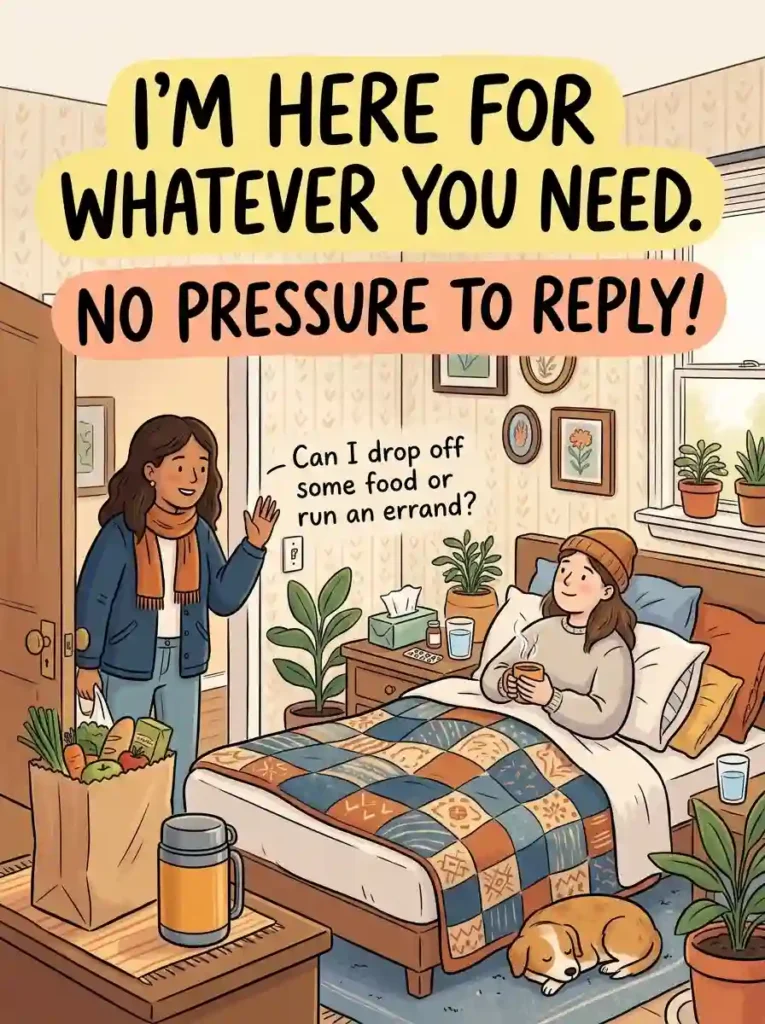
Kind words should make a sick person feel supported, respected, and less alone. Instead of focusing on what not to say to someone sick, choose words that offer comfort without pressure. Simple messages can acknowledge their struggle, respect their boundaries, and remind them that they have someone beside them.
- I’m thinking of you today.
- I hope you feel better soon.
- I’m here whenever you need me.
- Wishing you a peaceful recovery.
- Take all the rest you need.
- May today bring you comfort.
- I hope things feel easier soon.
- Sending you lots of care.
- You’re not alone in this.
- Wishing you strength for today.
- I’m happy to listen anytime.
- May your recovery be gentle.
- I hope you get plenty of rest.
- Sending warm thoughts your way.
- Take things one day at a time.
- I’m keeping you in my thoughts.
- Wishing you brighter days ahead.
- May you feel surrounded by love.
- I hope you find some relief.
- Sending patience for every step.
- You can reach out whenever needed.
- Wishing you calm and comfort.
- I hope tomorrow feels better.
- Sending heartfelt healing wishes.
- May your energy return gradually.
- I’m here without any pressure.
- Wishing you peaceful moments today.
- I hope you feel cared for.
- Sending strength and gentle encouragement.
- May better days come soon.
Frequently Asked Questions
What Not to Say to Someone Sick: Words to Avoid?
Avoid comments that compare illnesses, blame the person, minimize their pain, offer unwanted medical advice, or pressure them to stay positive. Focus on listening, kindness, and simple support instead.
Is it okay to tell a sick person to stay positive?
It is usually better to avoid making positivity feel like an obligation. A person may feel scared, sad, tired, or frustrated. Let them express those emotions without judgment.
Should I give medical advice to someone who is sick?
Only offer medical suggestions when the person asks or clearly welcomes them. Otherwise, encourage them to follow advice from their healthcare professional and offer emotional or practical support.
What can I say instead of “It could be worse”?
Try saying, “I’m sorry you’re dealing with this,” “I’m here for you,” or “I hope you feel better soon.” These words acknowledge their experience without comparing it with someone else’s.
How can I comfort someone who is seriously ill?
Listen without judgment, respect their privacy, avoid forced optimism, and offer specific help when possible. Sometimes a short message or quiet presence can provide more comfort than a long conversation.
Final Thoughts
Knowing what not to say to someone sick is really about learning how to show care with greater understanding. Illness can bring fear, frustration, exhaustion, and uncertainty. A person may not need perfect words. They may simply need someone who listens without judging or comparing their experience. Avoid comments that minimize pain, create guilt, or force positivity. Instead, offer patience, warmth, respect, and genuine support. A simple “I’m here for you” can mean more than a long speech. Give sick people room to rest and feel whatever they need. When your words come from compassion, they can bring comfort during a difficult time. You do not need to fix the situation. You only need to remind them they matter, their feelings are valid, and they don’t have to face every difficult moment alone.
